

Understanding Inflammation: The Body’s Response to Injury and Illness
While acute inflammation is a short-term process that typically resolves on its own, chronic inflammation can lead to various health problems if left unchecked. Understanding the mechanisms behind inflammation is essential for maintaining overall health and well-being. Today we take a deep dive into understanding inflammation.
The Inflammatory Response
When tissues are damaged by physical injury, pathogens, or toxins, the body initiates the inflammatory response. This process involves a series of intricate interactions between cells, blood vessels, and signalling molecules. One of the key players in inflammation is the immune system, which works tirelessly to identify and eliminate threats to the body.
At the site of injury or infection, immune cells release signalling molecules called cytokines. These cytokines attract other immune cells to the area, leading to increased blood flow and vascular permeability. This results in classic signs of inflammation, including redness, swelling, heat, and pain. The influx of immune cells helps to remove debris, destroy pathogens, and initiate tissue repair.

Acute vs. Chronic Inflammation
Acute inflammation is a rapid and self-limiting response that typically resolves within a few days. It is an essential part of the healing process and helps the body fight off infections and repair damaged tissues. However, if the inflammatory stimulus persists or the immune system fails to regulate the response properly, inflammation can become chronic.
Chronic inflammation is characterized by sustained activation of the immune system over an extended period. It can result from persistent infections, autoimmune disorders, obesity, or exposure to environmental toxins. Unlike acute inflammation, which is beneficial, chronic inflammation can contribute to the development of various diseases, including cardiovascular disease, diabetes, cancer, and neurodegenerative disorders.
Contributing Factors to Chronic Inflammation
Several factors can contribute to the development of chronic inflammation. Poor dietary choices, such as consuming excessive amounts of processed foods, sugar, and unhealthy fats, can promote inflammation in the body. In addition, smoking, lack of exercise, stress, and environmental pollutants can all trigger or exacerbate chronic inflammation.
Obesity is strongly associated with chronic inflammation, as excess adipose tissue releases pro-inflammatory molecules called adipokines. These molecules can disrupt normal immune function and contribute to the development of insulin resistance and metabolic syndrome. Furthermore, chronic stress can dysregulate the immune system and promote inflammation, leading to a cascade of negative health effects.
Managing Inflammation
While acute inflammation is a necessary and beneficial response, chronic inflammation can have detrimental effects on health. Fortunately, there are steps individuals can take to help manage inflammation and reduce their risk of chronic disease.
A healthy diet rich in fruits, vegetables, whole grains, and omega-3 fatty acids can help combat inflammation. These foods are packed with antioxidants and anti-inflammatory compounds that can help neutralize free radicals and reduce inflammation in the body. Conversely, limiting the intake of processed foods, sugary beverages, and trans fats can help mitigate inflammation and support overall health.
Regular exercise is another essential component of inflammation management. Physical activity has been shown to reduce levels of pro-inflammatory markers in the body while promoting the release of anti-inflammatory molecules. Aim for at least 30 minutes of moderate intensity exercise most days of the week to reap the anti-inflammatory benefits.
Stress management techniques such as mindfulness meditation, deep breathing exercises, and yoga can help alleviate chronic stress and reduce inflammation. Prioritizing adequate sleep is also crucial, as sleep deprivation can trigger inflammatory responses in the body. Strive for 7-9 hours of quality sleep each night to support optimal immune function and overall health.
Fulvic Acid vs Inflammation
Research suggests that Fulvic Acid can help modulate the immune response and reduce inflammation by inhibiting the activity of pro-inflammatory cytokines and signalling pathways. Additionally, it scavenges free radicals and reduces oxidative stress, which is closely linked to inflammation and various chronic diseases.
Moreover, Fulvic Acid has been shown to enhance the absorption and bioavailability of nutrients, allowing the body to better utilize essential vitamins, minerals, and antioxidants. This synergistic effect can further support the body’s ability to combat inflammation and promote tissue repair.
Studies have also demonstrated the potential of Fulvic Acid in alleviating symptoms associated with inflammatory conditions such as arthritis, inflammatory bowel disease, and dermatitis. By reducing inflammation and oxidative damage, fulvic acid may help improve joint mobility, digestive health, and skin conditions.
Furthermore, Fulvic Acid exhibits antimicrobial properties, which can help combat infections and prevent the spread of pathogens that contribute to inflammation. By supporting the body’s natural defences against microbial invaders, fulvic acid may help prevent acute infections from progressing to chronic inflammatory conditions.
In conclusion, inflammation is a fundamental process that plays a critical role in the body’s defence against injury and illness. While acute inflammation is necessary for healing, chronic inflammation can contribute to the development of various diseases. By adopting healthy lifestyle habits such as a balanced diet, regular exercise, stress management, and adequate sleep individuals can help manage inflammation and promote long-term health and well-being. Incorporating Fulvic Acid supplements into a comprehensive inflammation management plan may offer additional benefits for individuals seeking natural alternatives to conventional treatments. However, it is essential to consult with a healthcare professional before starting any new supplement regimen, especially for those with underlying health conditions or taking medications.


Why CHD-FA™ rather than other Fulvic Acids?
When considering the choice between CarboHydrate-Derived Fulvic Acid (CHD-FA™) and other Fulvic Acid for supplementation, several key factors make CHD-FA™ the superior option. Firstly, CHD-FA™ is guaranteed to be free from heavy metals and contaminants, ensuring purity and safety in every dose. Unlike environmental sources, which may vary in composition and quality, CHD-FA™ offers proven batch-to-batch consistency, providing reliability and peace of mind to consumers. Moreover, CHD-FA™ has undergone rigorous safety and toxicity studies, demonstrating its suitability for human consumption. Additionally, CHD-FA™ production facilities adhere to strict quality standards, holding certifications such as cGMP (Current Good Manufacturing Practice) and FSSC 22000 approval, further validating its quality and efficacy. These qualities collectively make CHD-FA™ a preferable choice for individuals seeking a reliable and high-quality Fulvic Acid supplement.
FOLLOW US ON SOCIAL MEDIA
Acute Inflammation, Anti-Inflammatory, CHD-FA™, Chronic Inflammation, Fulvic Acid, Fulvic Acid Supplement, Inflamation

Clean Beauty South Africa: Here’s Why Fulvic Acid Is Your Skin Detox Hero
Say hello to clean beauty, South Africa! Discover how Fulvic Acid and CHD-FA support detox skincare, helping protect against pollution, sweat, and sunscreen build-up. Understanding the Clean Beauty South Africa…

Inflammation and Mental Health: How It Fuels Anxiety, Brain Fog & Mood Swings – And What You Can Do About It
Inflammation and mental health are deeply linked. Learn how chronic inflammation can trigger brain fog, anxiety, and mood issues — and how CHD-FA supports inflammation naturally. Inflammation and Mental Health:…

Best Natural Sore Throat Spray South Africa 2025
Discover the best natural sore throat spray in South Africa 2025 – The ultimate herbal throat immunity solutions with CHD-FA and daily wellness rituals for optimal winter protection. Why Natural…


Shop now…
-
 PharmaWell - ImmuTect Immune Protection for Kids
R152.95 (incl. VAT)
PharmaWell - ImmuTect Immune Protection for Kids
R152.95 (incl. VAT)
-
 Secuvie Reczema
R175.00 (incl. VAT)
Secuvie Reczema
R175.00 (incl. VAT)
-
 PharmaWell - UriTect Urinary & Kidney Support
R156.17 (incl. VAT)
PharmaWell - UriTect Urinary & Kidney Support
R156.17 (incl. VAT)
-
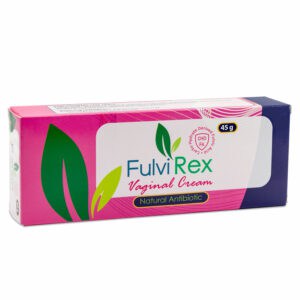 FulviAct FulviRex Vaginal Cream
R150.00 (incl. VAT)
FulviAct FulviRex Vaginal Cream
R150.00 (incl. VAT)
-
 FUL.HEALTH Wellness Drink - Iron Brew
R299.00 (incl. VAT)
FUL.HEALTH Wellness Drink - Iron Brew
R299.00 (incl. VAT)
-
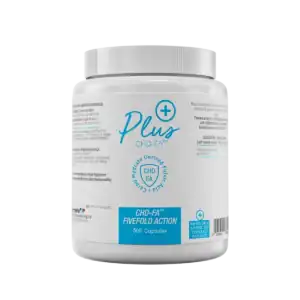 PharmaWell - Plus CHD-FA (500)
R1,100.00 (incl. VAT)
PharmaWell - Plus CHD-FA (500)
R1,100.00 (incl. VAT)
-
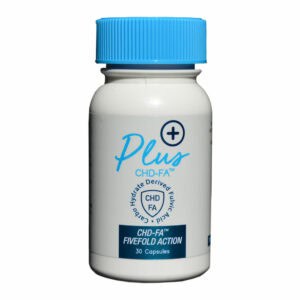 PharmaWell - Plus CHD-FA
R128.80 (incl. VAT)
PharmaWell - Plus CHD-FA
R128.80 (incl. VAT)
-
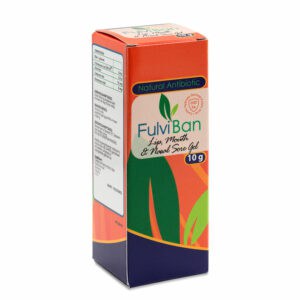 FulviAct FulviBan Lip, Mouth & Nasal Sore Gel
R84.70 (incl. VAT)
FulviAct FulviBan Lip, Mouth & Nasal Sore Gel
R84.70 (incl. VAT)
-
 PharmaWell - HydroMax Zero
R104.65 (incl. VAT)
PharmaWell - HydroMax Zero
R104.65 (incl. VAT)
-
 FulviAct FulviRex Cream
R77.00 (incl. VAT)
FulviAct FulviRex Cream
R77.00 (incl. VAT)