
What Are Seasonal Allergies and Ways to Prevent the Effects
For those who suffer from seasonal allergies, the onset of spring or autumn can bring a host of unpleasant symptoms, including sneezing, itchy eyes, runny nose, and congestion. Understanding the nature of seasonal allergies and exploring effective prevention strategies is key to reducing their impact on daily life.
Understanding Seasonal Allergies
At the core of seasonal allergies is the immune system’s response to allergens – substances that are usually harmless to most people. When an individual with seasonal allergies encounters these allergens, their immune system mistakenly identifies them as threats. In response, the body releases histamines and other chemicals to fight off these perceived invaders. It’s this release of chemicals that triggers the classic symptoms of allergies.
Common Triggers of Seasonal Allergies:

- Pollen: One of the most common allergens, pollen is released by trees, grasses, and weeds as part of their reproductive process. During peak pollen seasons, these tiny particles can be carried by the wind for miles, leading to widespread exposure.
- Grass: Grass pollen is a significant trigger for many individuals, particularly during the late spring and early summer months.
- Mould: Mould spores, which thrive in damp and warm environments, can be another potent allergen, particularly during the autumn months.
Symptoms of Seasonal Allergies:
- Sneezing
- Itchy or watery eyes
- Runny or stuffy nose
- Coughing
- Fatigue
- Sinus pressure or headaches
These symptoms can range from mild to severe and can significantly affect one’s quality of life, making it difficult to sleep, work, or enjoy outdoor activities.
Preventing the Effects of Seasonal Allergies
While it’s impossible to avoid allergens completely, there are several strategies that can help minimise exposure and reduce the severity of allergy symptoms.
- Monitor Pollen Counts: One of the most effective ways to manage seasonal allergies is by keeping an eye on daily pollen counts. Many weather websites and apps provide this information. On days when pollen counts are high, it’s advisable to limit outdoor activities, particularly in the early morning when pollen levels tend to peak.
- Keep Windows Closed: During high pollen seasons, keep windows and doors closed to prevent allergens from entering your home. Air conditioning can help filter the air and reduce indoor pollen levels.
- Shower and Change Clothes After Being Outdoors: Pollen can easily cling to clothing, skin, and hair. Showering and changing clothes after spending time outside can help remove allergens and prevent them from spreading indoors.
- Use a HEPA Filter: High-efficiency particulate air (HEPA) filters can trap pollen and other allergens, improving indoor air quality. Consider using a HEPA filter in your home, especially in the bedroom where you spend a significant amount of time.
- Wash Bedding Regularly: Pollen can settle on bedding, leading to prolonged exposure during sleep. Washing bedding regularly in hot water can help remove allergens.
- Nasal Irrigation: Nasal irrigation involves rinsing the nasal passages with saline solution to remove allergens and mucus. This can provide relief from nasal congestion and reduce the overall allergic response.
- Avoid Outdoor Activities During Peak Pollen Times: If possible, try to avoid outdoor activities during peak pollen times, usually between 5 a.m. and 10 a.m. If you must go outside, wearing sunglasses and a hat can help protect your eyes and hair from pollen.
- Consider Medications: Over-the-counter antihistamines, decongestants, and nasal corticosteroids can be effective in managing allergy symptoms. However, it’s important to consult with a healthcare provider before starting any medication.
The Role of Fulvic Acid in Immune Support
Fulvic Acid, a natural compound found in soil, plants, and water, has been gaining attention for its potential health benefits, including immune support. It is rich in minerals, electrolytes, and antioxidants, making it a valuable supplement for overall wellness.
How Fulvic Acid Can Assist with Seasonal Allergies:
- Immune Support: Fulvic Acid has been shown to support immune function by enhancing the body’s ability to fight off pathogens and reducing inflammation. For individuals with seasonal allergies, a robust immune system is essential for managing the body’s response to allergens. By taking a Fulvic Acid supplement, such as the Sugar Free Wellness Drink by FUL.HEALTH, you may help strengthen your immune system, potentially reducing the severity of allergic reactions.
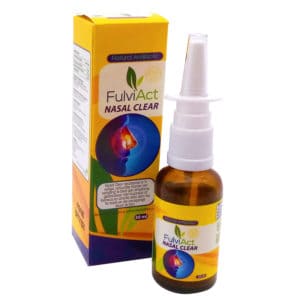
- Nose Spray: For those suffering from nasal congestion and other respiratory symptoms associated with seasonal allergies, a Fulvic Acid-based nasal spray, like the FulviAct Nasal Clear Spray, can be particularly beneficial. This spray helps to clear nasal passages, reduce inflammation, and provide relief from congestion. The natural anti-inflammatory properties of Fulvic Acid can soothe irritated nasal tissues and support the body’s natural defences against allergens.
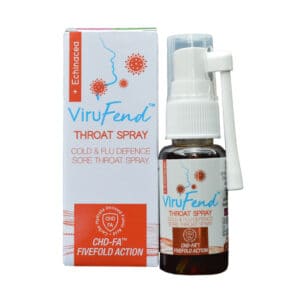
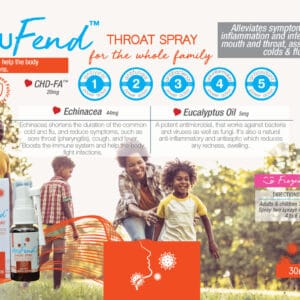
- Throat Spray: Seasonal allergies often cause irritation and inflammation in the throat, leading to discomfort and soreness. The Pharmawell Virufend Throat Spray, which contains Fulvic Acid, offers a natural way to soothe the throat and reduce inflammation. The spray can also help prevent the onset of more severe symptoms by supporting the immune system and providing a protective barrier against allergens.
Incorporating Fulvic Acid into Your Allergy Prevention Routine
Incorporating Fulvic Acid into your daily routine can provide additional support for managing seasonal allergies. Here are a few ways to do so:
- Daily Supplement: Start by incorporating a Fulvic Acid supplement into your daily routine. The FUL.HEALTH Sugar Free Wellness Drink is a convenient option that can be taken alongside other supplements. Regular use may help strengthen your immune system over time, making you less susceptible to the effects of seasonal allergies.
- Nasal Spray: Use the FulviAct Nasal Clear Spray as part of your morning routine, especially during high pollen seasons. This can help keep your nasal passages clear and reduce the likelihood of congestion throughout the day.
- Throat Spray: Keep the Pharmawell Virufend Throat Spray on hand for use whenever you start to feel throat irritation or soreness. This can be particularly helpful during allergy season when allergens are more prevalent in the air.




Seasonal allergies can be a significant source of discomfort, but with the right strategies and products, it’s possible to manage their effects effectively. By taking steps to reduce exposure to allergens and incorporating Fulvic Acid into your wellness routine, you can support your immune system and minimise the impact of seasonal allergies on your daily life.
Whether you’re using a Fulvic Acid supplement, nasal spray, or throat spray, these natural products offer a powerful way to enhance your body’s defences and enjoy the changing seasons with greater ease.
Allergies, CHD-FA™, Fulvic Acid, Fulvic Acid Supplement, Hay Fever, Immune Boosting, Immune System, Nasal Congestion, Nasal Spray, Seasonal Allergies, Sore Throat, Throat Spray

Probiotics for Gut Health South Africa | Best Supplements for Digestion & Immunity
Probiotics for gut health South Africa – discover how probiotics restore gut flora, support digestion, and which science-backed supplements really work. Maintaining a healthy gut is at the centre of…

GMP Approved Facility: Why Approval Is Important
The GMP Approved Facility ensures purity and quality, as well as a guarantee that supplements do not contain toxins that could be harmful to the user. The industry for dietary…

First Aid from Nature: Fulvic Acid in Natural Wound Care
Across households in South Africa, more families are looking for safer, effective options for natural wound care. From minor burns to insect bites and kitchen cuts, everyday skin injuries are…


Shop now…
-
 FUL.HEALTH Wellness Drink - Iron Brew
R299.00 (incl. VAT)
FUL.HEALTH Wellness Drink - Iron Brew
R299.00 (incl. VAT)
-
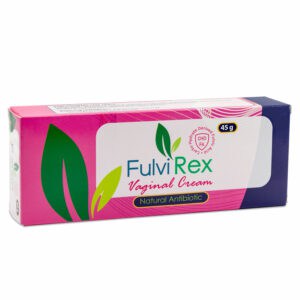 FulviAct FulviRex Vaginal Cream
R150.00 (incl. VAT)
FulviAct FulviRex Vaginal Cream
R150.00 (incl. VAT)
-
 PharmaWell - UriTect Urinary & Kidney Support
R156.17 (incl. VAT)
PharmaWell - UriTect Urinary & Kidney Support
R156.17 (incl. VAT)
-
 Secuvie Reczema
R175.00 (incl. VAT)
Secuvie Reczema
R175.00 (incl. VAT)
-
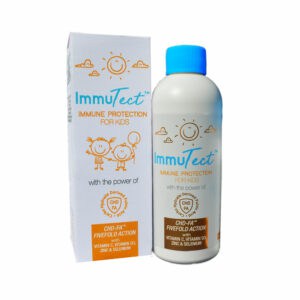 PharmaWell - ImmuTect Immune Protection for Kids
R152.95 (incl. VAT)
PharmaWell - ImmuTect Immune Protection for Kids
R152.95 (incl. VAT)
-
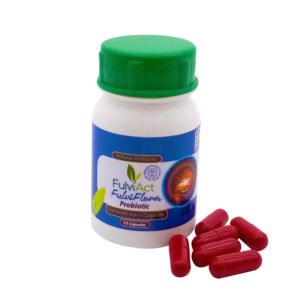 FulviAct FulviFlora GutHealth 3-in-1
R85.50 (incl. VAT)
FulviAct FulviFlora GutHealth 3-in-1
R85.50 (incl. VAT)
-
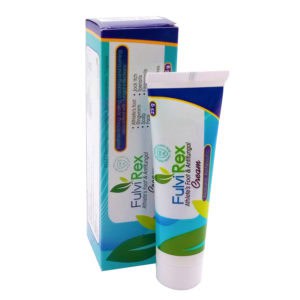 FulviAct FulviRex Cream
R77.00 (incl. VAT)
FulviAct FulviRex Cream
R77.00 (incl. VAT)
-
 Secuvie Daily Repair Cream
R165.00 (incl. VAT)
Secuvie Daily Repair Cream
R165.00 (incl. VAT)
-
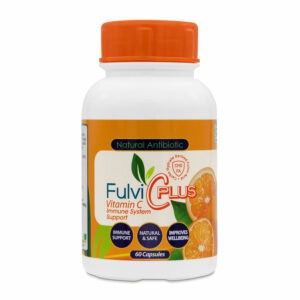 FulviAct Fulvi C Plus Capsules
R118.00 (incl. VAT)
FulviAct Fulvi C Plus Capsules
R118.00 (incl. VAT)
-
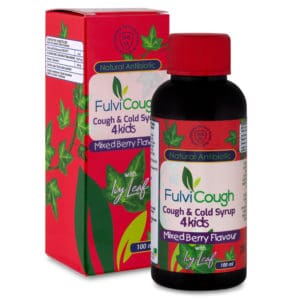 FulviAct FulviCough & Cold Syrup 4Kids
R115.00 (incl. VAT)
FulviAct FulviCough & Cold Syrup 4Kids
R115.00 (incl. VAT)