
Fulvic Acid Skin Care: Could this be skin care’s best kept secret?
Fulvic Acid has been used traditionally for roughly 3000 years in the Indian wellness modality referred to as “Ayurveda”. It has also been utilized in traditional Chinese medicine for thousands of years to treat a variety of diseases, including externally to treat hematoma, phlebitis, desmorrhexis, myogelosis, arthrosis, polyarthritis, osteoarthritis, and osteochondrosis.
In Western culture, it’s only recently gained popularity as a vital ingredient in mainstream skin care products. So, why has it taken so long for the West to catch up, you may ask?
Well, environmental Fulvic Acid is a component of humic substances, which are formed naturally during the decay of plants. Unfortunately, modern farming techniques have depleted our soils from natural occurring Fulvic Acid. This has led to many suppliers of Fulvic Acid using desperate means of extraction from various unsavoury sources, which may be harmful to human and animal health.
The good news is that there is a safe, tested, and pharmaceutical-grade Fulvic Acid produced in a Manufacturing Pharmacy with a GMP License. It is the safest form of Fulvic Acid on the market today called CHD-FA™ (CarboHydrate-Derived Fulvic Acid).
What is Fulvic Acid in skin care?
It means that by using Fulvic Acid on your skin, it is given an infusion of minerals and vitamins essential for cell growth, which increases and improves immunity while enhancing cellular rejuvenation. Because its molecular size is smaller, it can penetrate more effectively into your skin and communicate more efficiently with cells.
Additionally, Fulvic Acid also has microbiome benefits, allowing serious skin conditions like acne, rosacea, dermatitis and psoriasis to heal and assists in restoring skin to a healthier state.
Unlike glycolic acid or salicylic acid, Fulvic Acid is not an exfoliating acid, nor is it a hydrating acid like hyaluronic acid. It stands in its own category as an organic acid. It is not as intense as vitamin C, however, it is truly beneficial for the most sensitive of skin types as well as treating a handful of skin conditions.
Contrary to how the name sounds, Fulvic Acid isn’t a strong acid. It is also not an alpha hydroxy acid or a beta hydroxy acid. Its chemical makeup is very different because it’s responsible for delivering vitamins, trace minerals and vital nutrients to the skin cells. Additionally, it is an incredible antioxidant, fighting free-radical damage that can hasten the deterioration of cells. Fulvic Acid is a smaller, water-soluble molecule, and can carry these vitamins and minerals directly to your body’s cells.

Fulvic Acid uses and benefits in skin care
Fulvic Acid has astringent activity, whereby skin cells contract, to promote:
- skin cleansing
- tightening of pores
- reducing oily secretions
- decreasing itch and irritation
The compound also has a protective effect against ultraviolet radiation. Therefore, it may help slow down ageing when used in skin care products.
How do you know if your product contains a pure form of Fulvic Acid?
Avoid using toxic environmental Fulvic Acid by looking for the CHD-FA stamp of approval. When your product has the CHD-FA seal on it you are guaranteed that it contains no preservatives, it’s produced in a manufacturing pharmacy with a GMP license and it’s not tested on animals.


FOLLOW US ON SOCIAL MEDIA

Fulvic Acid Cleansers: Why Secuvie Repair Cleansing Gel is a Must-Try
When it comes to skincare, we’re constantly searching for innovative ingredients that can truly transform our skin. While Fulvic Acid has gained widespread recognition for its detoxifying and rejuvenating properties,…

5 Ways to Prevent Dry Skin in Winter
Winter is a season of warm sweaters, hot chocolate, and cosy cuddles in front of the fireplace. However, it also brings a significant challenge for our skin. The cold, dry…

Managing Eczema in Winter: The South African Eczema Flare-Up Guide
Managing Eczema in Winter can be challenging for many South Africans. Learn why eczema worsens in winter, how to reduce flare ups, and how Fulvic Acid may support healthy skin.…


Shop now…
-
 PharmaWell - UriTect Urinary & Kidney Support
R156.17 (incl. VAT)
PharmaWell - UriTect Urinary & Kidney Support
R156.17 (incl. VAT)
-
 FUL.HEALTH Wellness Drink - Iron Brew
R299.00 (incl. VAT)
FUL.HEALTH Wellness Drink - Iron Brew
R299.00 (incl. VAT)
-
 Secuvie Reczema
R175.00 (incl. VAT)
Secuvie Reczema
R175.00 (incl. VAT)
-
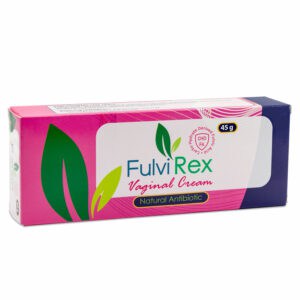 FulviAct FulviRex Vaginal Cream
R150.00 (incl. VAT)
FulviAct FulviRex Vaginal Cream
R150.00 (incl. VAT)
-
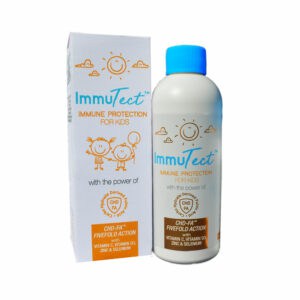 PharmaWell - ImmuTect Immune Protection for Kids
R152.95 (incl. VAT)
PharmaWell - ImmuTect Immune Protection for Kids
R152.95 (incl. VAT)
-
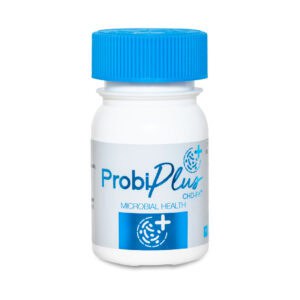 PharmaWell - ProbiPlus
R80.50 (incl. VAT)
PharmaWell - ProbiPlus
R80.50 (incl. VAT)
-
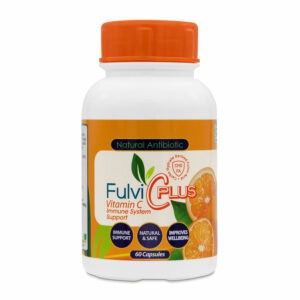 FulviAct Fulvi C Plus Capsules
R118.00 (incl. VAT)
FulviAct Fulvi C Plus Capsules
R118.00 (incl. VAT)
-
 FUL.HEALTH Sugar Free Wellness Drink
R299.00 (incl. VAT)
FUL.HEALTH Sugar Free Wellness Drink
R299.00 (incl. VAT)
-
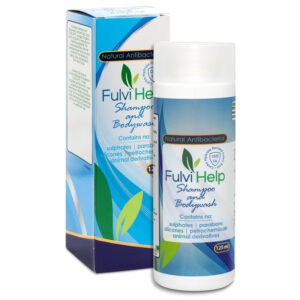 FulviAct FulviHelp Shampoo and Body Wash
R125.00 (incl. VAT)
FulviAct FulviHelp Shampoo and Body Wash
R125.00 (incl. VAT)
-
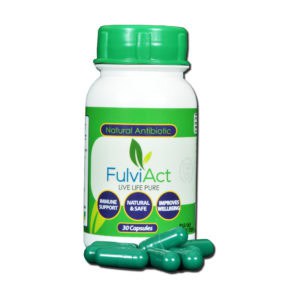 FulviAct Wellness Capsules (30)
R118.00 (incl. VAT)
FulviAct Wellness Capsules (30)
R118.00 (incl. VAT)