
Microbial Health: The Foundation of Your Well-being
These microorganisms, including bacteria, fungi, and viruses, play a key role in digestion, immune function, mental health, and much more. Understanding and supporting microbial health is not just a wellness trend – it’s a science-backed pathway to better health.
What Is Microbial Health?
Microbial health refers to the balance and diversity of the microbiome, the community of microorganisms that live in various environments in and on your body. The gut is perhaps the most well-known host for these microbes, but they are also found on the skin, in the mouth, and even in the lungs.
A healthy microbiome is one that has a high diversity of beneficial microorganisms working together to support critical bodily functions. These microbes help break down food, produce essential nutrients, regulate inflammation, and strengthen the immune system. However, when this balance is disrupted – a condition known as dysbiosis – it can lead to various health problems, including digestive issues, weakened immunity, and even mood disorders.

Why Microbial Health Matters
The state of your microbial health has a far-reaching influence on your physical and mental well-being. Here are some of the key reasons why it matters:
- Digestive Health: One of the primary roles of your microbiome is to aid in digestion. Beneficial gut bacteria help break down complex carbohydrates, fibre, and proteins into simpler compounds that your body can absorb and use. When your microbial health is optimal, you are less likely to experience issues like bloating, constipation, and diarrhoea.
- Immune System Support: Nearly 70% of the immune system resides in the gut, making microbial health vital for immune defence. Beneficial microbes help prevent harmful pathogens from taking hold, while also training the immune system to distinguish between harmful invaders and harmless substances.
- Mental Health and Mood Regulation: The gut-brain connection is a growing area of research, and it’s becoming clear that microbial health plays a significant role in mental well-being. Certain gut bacteria produce neurotransmitters like serotonin, which influence mood, sleep, and stress levels. An imbalanced microbiome has been linked to conditions such as anxiety and depression.
- Skin Health: Your skin is another habitat for millions of microbes. A balanced skin microbiome can protect against infections and inflammation, while also promoting a healthy, radiant complexion. Disruptions in this balance have been linked to conditions like acne, eczema, and rosacea.
- Chronic Disease Prevention: Emerging research suggests that maintaining microbial health may help reduce the risk of chronic diseases such as obesity, diabetes, and cardiovascular disease. A diverse microbiome supports metabolic health and helps regulate blood sugar levels, which are crucial factors in preventing these conditions.
Factors That Affect Microbial Health
Maintaining microbial health requires an understanding of the factors that can either support or disrupt the microbiome. Some key influences include:
- Diet: What you eat has a direct impact on your microbial health. A diet rich in fibre, fruits, vegetables, and fermented foods promotes the growth of beneficial bacteria. Conversely, a diet high in processed foods, sugar, and unhealthy fats can lead to dysbiosis.
- Antibiotics: While antibiotics are sometimes necessary, they can disrupt microbial health by killing both harmful and beneficial bacteria. Overuse or misuse of antibiotics can lead to long-term imbalances in the microbiome.
- Lifestyle Factors: Stress, lack of sleep, and a sedentary lifestyle can negatively affect microbial health. These factors influence hormone levels and inflammatory responses, which in turn impact the microbiome.
- Environmental Toxins: Exposure to pollutants, chemicals, and pesticides can harm beneficial microbes, reducing microbial diversity and balance.
How to Support Microbial Health
Maintaining or restoring microbial health is achievable with some intentional lifestyle changes:
- Eat a Diverse Diet: Include plenty of fibre, fermented foods (like yoghurt, kefir, and sauerkraut), and prebiotic-rich foods (like onions, garlic, and bananas).
- Stay Active: Regular exercise has been shown to promote microbial diversity.
- Manage Stress: Incorporate mindfulness practices, meditation, or yoga to reduce stress levels.
- Limit Antibiotics: Use antibiotics only when prescribed by a healthcare professional and consider taking probiotics to restore balance afterwards.
- Use Probiotic and Prebiotic Supplements: These can help replenish beneficial bacteria and provide nutrients that promote their growth.
The Role of Fulvic Acid in Microbial Health
Fulvic Acid is a powerful natural compound that’s excellent for microbial health. Fulvic Acid is a nutrient powerhouse containing essential minerals, vitamins, and antioxidants.
How Fulvic Acid Supports Microbial Health
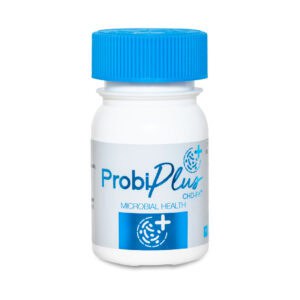
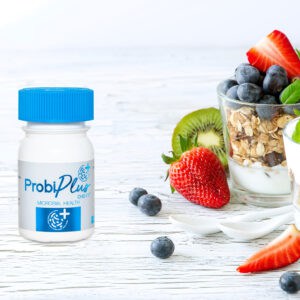
CHD-FA (Fulvic Acid) acts as a prebiotic, providing nourishment for beneficial microbes in the gut. It also improves nutrient absorption, helping your body get the most out of the food you eat. Additionally, its detoxifying properties help eliminate harmful toxins that could disrupt the microbiome.




Prioritising Microbial Health for a Better Life
Focusing on microbial health is one of the most impactful steps you can take for your overall well-being. From improved digestion to stronger immunity and better mental health, the benefits of a balanced microbiome are transformative.
Incorporating CHD-FA (Fulvic Acid) into your routine is an excellent way to support microbial health. Its natural prebiotic properties, nutrient density, and detoxifying effects make it an invaluable ally in maintaining a balanced microbiome. By nourishing your body’s microorganisms, you’re not just taking care of your health today – you’re investing in a healthier future.
festive season, Gut Health, Immune Boosting, Immune System, Microbial Health, Microbiome, Nervous System, Skin Care, Skin Conditions

Nurturing Festive Health: The Immune-Boosting Power of Fulvic Acid
The festive season is a time of joy, celebration, and togetherness. However, it often brings with it a slew of indulgent meals, late nights, and a break from regular exercise…

Fulvic Acid Skin Care: Could this be skin care’s best kept secret?
Fulvic Acid has been used in Ayurvedic and Chinese medicine for roughly over 3000 years to treat a variety of diseases. Western culture is now catching up and learning about…

Why humanity needs CHD-FA™
CHD-FA™ – the only Fulvic Acid that has been subjected to costly antimicrobial, antiviral, anti-inflammatory, type 2 diabetes and cosmetic testing. Fulvic Acid is known as nature’s miracle molecule. Mother…


Shop now…
-
 PharmaWell - UriTect Urinary & Kidney Support
R156.17 (incl. VAT)
PharmaWell - UriTect Urinary & Kidney Support
R156.17 (incl. VAT)
-
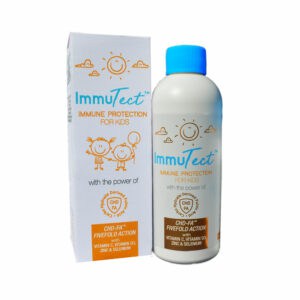 PharmaWell - ImmuTect Immune Protection for Kids
R152.95 (incl. VAT)
PharmaWell - ImmuTect Immune Protection for Kids
R152.95 (incl. VAT)
-
 Secuvie Reczema
R175.00 (incl. VAT)
Secuvie Reczema
R175.00 (incl. VAT)
-
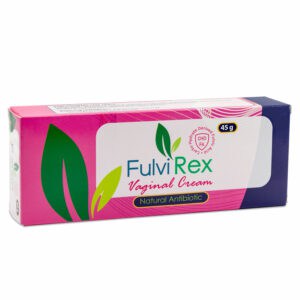 FulviAct FulviRex Vaginal Cream
R150.00 (incl. VAT)
FulviAct FulviRex Vaginal Cream
R150.00 (incl. VAT)
-
 FUL.HEALTH Wellness Drink - Iron Brew
R299.00 (incl. VAT)
FUL.HEALTH Wellness Drink - Iron Brew
R299.00 (incl. VAT)
-
 PharmaWell - DermaTect Gel
R85.00 (incl. VAT)
PharmaWell - DermaTect Gel
R85.00 (incl. VAT)
-
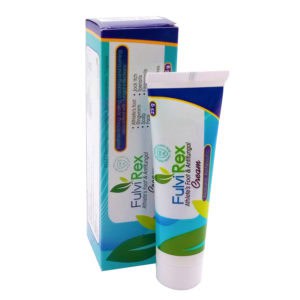 FulviAct FulviRex Cream
R77.00 (incl. VAT)
FulviAct FulviRex Cream
R77.00 (incl. VAT)
-
 PharmaWell - ViruFend Throat Spray
R96.60 (incl. VAT)
PharmaWell - ViruFend Throat Spray
R96.60 (incl. VAT)
-
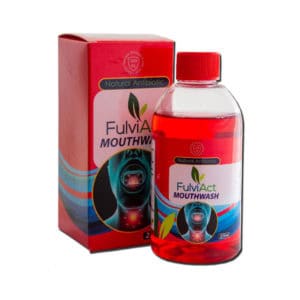 FulviAct Mouthwash
R110.00 (incl. VAT)
FulviAct Mouthwash
R110.00 (incl. VAT)
-
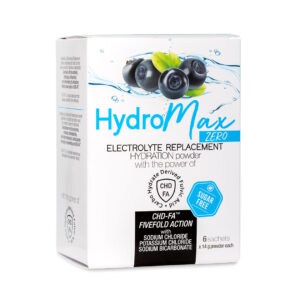 PharmaWell - HydroMax Zero
R104.65 (incl. VAT)
PharmaWell - HydroMax Zero
R104.65 (incl. VAT)