
The Burnout Blues: How Stress Takes a Toll on Immunity
In this article, we will explore the ways in which burnout weakens the immune system and opens the door to viral invaders. Additionally, we’ll delve into some natural methods to both prevent and treat colds and flu exacerbated by burnout.
Understanding Burnout and its Impact on the Immune System:
Burnout, a state of chronic physical and emotional exhaustion, often arises from prolonged stress and overwork. This prolonged stress can have profound effects on the body, including compromising the immune system. The immune system, our body’s defence mechanism against pathogens, relies on a delicate balance of various components. Chronic stress disrupts this balance, leading to a weakened immune response.
One of the key players affected by stress is cortisol, commonly known as the stress hormone. While cortisol is crucial for managing short-term stress, prolonged exposure to elevated levels can suppress immune function. This suppression occurs through the inhibition of immune cells, such as lymphocytes, which play a crucial role in the body’s defence against infections. As a result, individuals experiencing burnout may find themselves more susceptible to common colds and flu viruses.

The Link Between Burnout and Increased Cold and Flu Risk:
When the immune system is compromised due to burnout, the body becomes more vulnerable to viral infections. Cold and flu viruses, which are ubiquitous in our environment, can seize the opportunity to infiltrate a weakened defence system. Moreover, the body’s ability to mount a swift and effective response against these pathogens is hindered, making it more challenging to ward off or recover from illnesses.
Furthermore, burnout often leads to unhealthy coping mechanisms, such as poor dietary choices, inadequate sleep and a lack of physical activity. These lifestyle factors can further contribute to a weakened immune system, creating a vicious cycle that perpetuates susceptibility to infections.
Natural Ways to Prevent and Treat Cold and Flu Associated with Burnout:
1. Prioritize Self-Care:s
The first step in preventing and treating burnout-related colds and flu is prioritizing self-care. This includes establishing boundaries at work, ensuring adequate sleep, and incorporating relaxation techniques into daily life. Practices such as meditation, deep breathing exercises, and mindfulness can help manage stress and promote overall well-being.
2. CHD-FA Supplement:
CHD-FA supports the immune system’s activation of macrophages and killer T–cells which rid our bodies of viruses or bacteria, as well as produce lymphocytes which in turn produce antibodies that can support the body’s immune response. Read more about the extensive benefits here »
3. Balanced Nutrition:
A nutrient-rich diet is essential for supporting immune function. Include a variety of fruits, vegetables, whole grains and lean proteins in your meals. Foods rich in vitamins and minerals, such as vitamin C and zinc, can provide an extra boost to the immune system. Stay hydrated by drinking plenty of water, herbal teas and broths to help flush out toxins.
4. Regular Exercise:
Engaging in regular physical activity is a powerful immune booster. Exercise not only reduces stress by lowering adrenaline and cortisol levels and producing endorphins but also enhances the circulation of immune cells throughout the body. Aim for a combination of cardiovascular exercises, strength training and flexibility exercises to promote overall health.
5. Adequate Rest:
Quality sleep is paramount for a resilient immune system. Aim for 7-9 hours of restful sleep each night to allow the body to repair and regenerate. Establish a bedtime routine, create a comfortable sleep environment and limit screen time before bedtime to improve the quality of your sleep.
Moving Forward
As we navigate the challenges of modern life, it’s crucial to recognize the profound impact burnout can have on our immune system. The connection between burnout and an increased susceptibility to colds and flu underscores the importance of prioritizing mental and physical well-being. By adopting natural strategies such as self-care, balanced nutrition, regular exercise, CHD-FA supplements and adequate rest, individuals can fortify their immune defences and mitigate the risk of falling prey to illnesses exacerbated by burnout. Taking proactive steps to address burnout not only protects against the immediate threat of infections but also fosters long-term resilience and vitality.



FOLLOW US ON SOCIAL MEDIA

Fulvic Acid Cleansers: Why Secuvie Repair Cleansing Gel is a Must-Try
When it comes to skincare, we’re constantly searching for innovative ingredients that can truly transform our skin. While Fulvic Acid has gained widespread recognition for its detoxifying and rejuvenating properties,…

Immune Boosting Tips for Summer
Summer is a magical time of the year. For most of us, this time of the year brings more positive attributes into our lives and allows us to enjoy each…

What is Nail Fungus and how to treat it naturally?
Screened against 28 species of drug-resistant fungi, yeasts and moulds, CHD-FA™ was able to kill all 28 species. Nail fungus is caused by various fungal organisms. The most common cause…


Shop now…
-
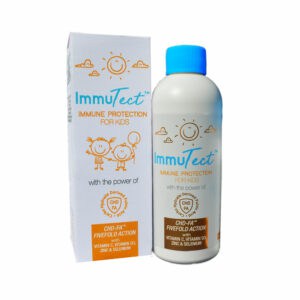 PharmaWell - ImmuTect Immune Protection for Kids
R152.95 (incl. VAT)
PharmaWell - ImmuTect Immune Protection for Kids
R152.95 (incl. VAT)
-
 PharmaWell - UriTect Urinary & Kidney Support
R156.17 (incl. VAT)
PharmaWell - UriTect Urinary & Kidney Support
R156.17 (incl. VAT)
-
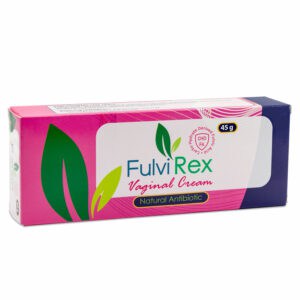 FulviAct FulviRex Vaginal Cream
R150.00 (incl. VAT)
FulviAct FulviRex Vaginal Cream
R150.00 (incl. VAT)
-
 FUL.HEALTH Wellness Drink - Iron Brew
R299.00 (incl. VAT)
FUL.HEALTH Wellness Drink - Iron Brew
R299.00 (incl. VAT)
-
 Secuvie Reczema
R175.00 (incl. VAT)
Secuvie Reczema
R175.00 (incl. VAT)
-
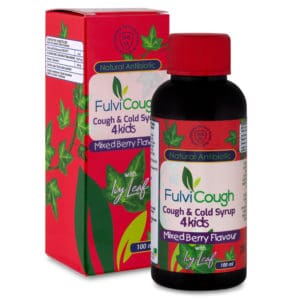 FulviAct FulviCough & Cold Syrup 4Kids
R115.00 (incl. VAT)
FulviAct FulviCough & Cold Syrup 4Kids
R115.00 (incl. VAT)
-
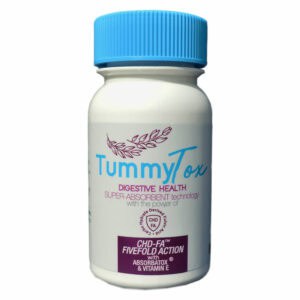 PharmaWell - TummyTox Digestive Health
R138.46 (incl. VAT)
PharmaWell - TummyTox Digestive Health
R138.46 (incl. VAT)
-
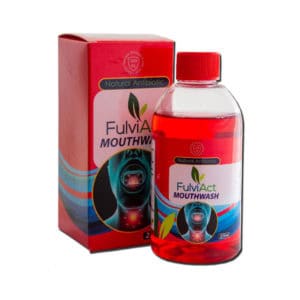 FulviAct Mouthwash
R110.00 (incl. VAT)
FulviAct Mouthwash
R110.00 (incl. VAT)
-
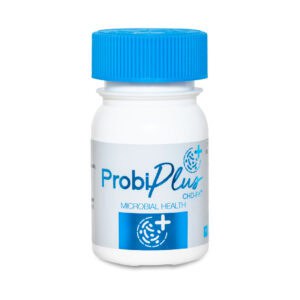 PharmaWell - ProbiPlus
R80.50 (incl. VAT)
PharmaWell - ProbiPlus
R80.50 (incl. VAT)
-
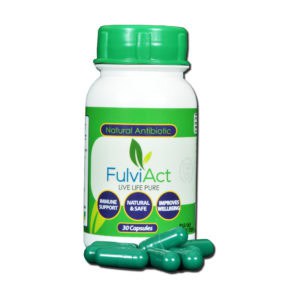 FulviAct Wellness Capsules (30)
R118.00 (incl. VAT)
FulviAct Wellness Capsules (30)
R118.00 (incl. VAT)