
Managing Eczema in Winter can be challenging for many South Africans. Learn why eczema worsens in winter, how to reduce flare ups, and how Fulvic Acid may support healthy skin.
Managing Eczema in Winter: The South African Eczema Flare-Up Guide
For many people living with South African eczema, winter can feel like a yearly battle. As temperatures drop and humidity levels decrease, skin often becomes drier, itchier, and more sensitive. What may have been manageable during the warmer months can suddenly turn into a frustrating eczema flare-up in winter.
If you’ve ever wondered why eczema gets worse in winter, you’re certainly not alone. Across South Africa, many eczema sufferers notice worsening symptoms during the colder months, particularly in regions where dry air, cold winds, and indoor heating become part of daily life.
The good news is that there are practical ways of managing eczema in winter. By understanding what triggers flare-ups and making a few simple adjustments to your routine, you may be able to reduce discomfort and support healthier-looking skin throughout the season.

In this guide, we’ll explore the common causes of eczema in winter, discuss effective winter skin care strategies, and examine how Fulvic Acid and CHD-FA may assist as part of a holistic skin wellness approach.
Why Eczema Often Gets Worse During South African Winters
One of the most common questions dermatologists hear is: “Why does my eczema get worse in winter?”
The answer largely comes down to moisture.
Healthy skin contains a protective barrier that helps lock in moisture and keep irritants out. During winter, this barrier can become compromised due to environmental conditions.
The Link Between Dry Air and Skin Barrier Damage
Winter air typically contains less humidity than summer air. In many parts of South Africa, especially inland areas, the atmosphere becomes noticeably drier during colder months.
When humidity drops, skin loses moisture more quickly. This can lead to:
- Dry, rough skin
- Increased itching
- Redness
- Sensitivity
- Cracking and irritation
For people already prone to eczema, these changes can increase the likelihood of an eczema flare up in winter.
Indoor Heating, Hot Showers and Winter Skin Stress
While cold weather outside presents challenges, many winter habits can unintentionally worsen eczema symptoms.
These include:
- Taking long, hot showers
- Using harsh soaps
- Sitting close to heaters
- Wearing scratchy clothing
- Spending more time indoors with dry air
Hot water, in particular, can strip away the skin’s natural oils. While it may feel comforting on a chilly morning, it often leaves the skin more vulnerable afterwards.
Understanding South African Eczema Challenges
Not all winters are created equal. South Africa’s diverse climate means eczema sufferers may experience different triggers depending on where they live.
Regional Climate Differences Across South Africa
People living in Gauteng, the Free State, and parts of the Northern Cape often experience particularly dry winters. The combination of cold temperatures and low humidity can be challenging for sensitive skin.
In the Western Cape, winter tends to bring more rain and cold winds. While humidity levels may be higher than inland regions, fluctuating temperatures can still affect the skin barrier.
Meanwhile, coastal regions may offer slightly more moisture in the air, although seasonal changes can still trigger symptoms.
Common Winter Triggers for Eczema Sufferers
Several factors commonly contribute to South African eczema flare ups during winter:
| Trigger | Potential Effect |
|---|---|
| Dry air | Increased moisture loss |
| Cold winds | Skin irritation |
| Hot showers | Strips natural oils |
| Wool clothing | Friction and itching |
| Stress | May worsen symptoms |
| Reduced hydration | Skin dryness |
| Fragranced products | Irritation and sensitivity |
Understanding your personal triggers is one of the most important steps in managing eczema in winter effectively.
Recognising the Signs of an Eczema Flare Up in Winter
Every person experiences eczema differently. However, there are common warning signs that often appear before a full flare up develops.
Early Warning Signs to Watch For
You may notice:
- Tight skin
- Increased dryness
- Mild itching
- Small red patches
- Rough texture
- Increased sensitivity
Catching these signs early may allow you to adjust your skin care routine before symptoms worsen.
When to Seek Professional Advice
If symptoms become severe, painful, infected, or difficult to manage, it is important to consult a healthcare professional.
Signs that require medical attention may include:
- Excessive swelling
- Crusting
- Bleeding skin
- Signs of infection
- Significant discomfort
A healthcare practitioner can help determine the most appropriate treatment plan for your situation.




Managing Eczema in Winter: Practical Daily Strategies
When it comes to how to manage eczema during winter in South Africa, consistency is often more important than complexity.
Small daily habits can make a meaningful difference over time.
Gentle Cleansing Habits
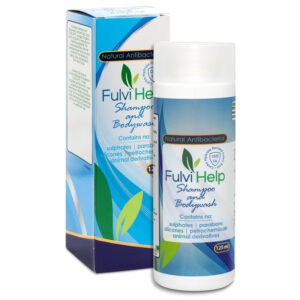
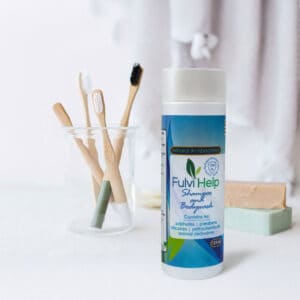
Choose gentle cleansers that are designed for sensitive skin.
Helpful tips include:
- Use lukewarm rather than hot water
- Limit shower time
- Avoid harsh soaps
- Pat skin dry instead of rubbing
These simple changes may help preserve the skin’s natural protective barrier.
Moisturising Correctly During Winter
Moisturising is one of the cornerstones of managing eczema in winter.
Apply moisturiser:
- Immediately after bathing
- Several times throughout the day if needed
- Before exposure to cold weather
- Before bedtime
Look for products designed specifically for dry or sensitive skin.
Clothing Choices That Support Sensitive Skin
What you wear can also affect eczema symptoms.
Many people find comfort by choosing:
- Soft cotton fabrics
- Breathable layers
- Loose-fitting clothing
Where possible, avoid fabrics that may cause friction or irritation against already sensitive skin.
Nutrition, Hydration and Skin Health
While eczema primarily affects the skin, overall wellness can play an important supporting role.
Why Hydration Matters in Winter
Many people naturally drink less water during colder months.
Unfortunately, dehydration can contribute to skin dryness.
Simple ways to stay hydrated include:
- Drinking water regularly
- Enjoying herbal teas
- Eating water-rich fruits and vegetables
- Monitoring hydration throughout the day
Nutrients That Support Healthy Skin
A balanced diet rich in nutrients may help support overall skin health.
Important nutrients include:
- Vitamin C
- Zinc
- Omega fatty acids
- Antioxidants
- Protein
For more information on healthy eating and nutrition, visit the South African Medical Research Council.
The Potential Role of Fulvic Acid in Skin Wellness
Many South Africans are increasingly interested in natural approaches that may support overall skin health.
One area receiving growing attention is Fulvic Acid.
What Is Fulvic Acid?
Fulvic Acid is a naturally occurring compound formed through the breakdown of plant matter over long periods.
It contains a complex mixture of naturally occurring organic compounds and trace minerals.
Researchers have explored Fulvic Acid for its:
- Antioxidant properties
- Mineral transport capabilities
- Potential role in supporting overall wellness
How CHD-FA May Assist Skin Health
CHD-FA is a highly purified Fulvic Acid ingredient used in a range of wellness supplements and skin care formulations.
While eczema is a complex condition with many contributing factors, Fulvic Acid has been studied for properties that may support skin wellness.
Potential areas of interest include:
- Supporting skin hydration
- Helping maintain healthy skin function
- Providing antioxidant support
- Assisting overall skin wellness
It’s important to note that no supplement should be viewed as a replacement for medical advice or prescribed treatment. Instead, supplements may form part of a broader wellness strategy developed with a healthcare professional.
Preventing Eczema Flare Ups in Winter
When it comes to preventing eczema flare ups in winter, a proactive approach is often the most effective.
Consider these practical winter skin care tips for eczema sufferers:
Daily Winter Skin Checklist
- Use gentle cleansers
- Moisturise regularly
- Avoid very hot showers
- Stay hydrated
- Wear soft, breathable clothing
- Manage stress levels
- Protect skin from cold winds
- Identify personal triggers
- Maintain a balanced diet
- Follow healthcare practitioner recommendations
Remember that managing eczema in winter is not about finding a single solution. Instead, it’s about creating supportive habits that help protect your skin throughout the season.
FAQs About Kidney Health
-
- Q1: Does eczema always get worse in winter?
Not always, but many people experience increased symptoms because winter air is typically drier and can weaken the skin barrier.
-
- Q2: Why does eczema get worse in winter?
Lower humidity, cold weather, indoor heating, hot showers, and reduced hydration can all contribute to worsening symptoms.
-
- Q3: How can I manage eczema during winter in South Africa?
Focus on gentle cleansing, regular moisturising, hydration, avoiding known triggers, and protecting the skin from harsh weather conditions.
-
- Q4: Can stress trigger eczema flare ups?
Stress is commonly reported as a factor that may worsen eczema symptoms in some individuals.
-
- Q5: Is Fulvic Acid a treatment for eczema?
Fulvic Acid is not a treatment for eczema. However, some people choose to include CHD-FA skin care products as part of their overall wellness routine.
- Q6: When should I see a healthcare professional?
If symptoms become severe, painful, infected, or significantly affect your quality of life, professional medical advice is recommended.
- Q7: Are hot showers bad for eczema?
Very hot showers can remove natural oils from the skin and may worsen dryness and irritation.
- Q8: What is the best moisturiser for eczema in winter?
The best moisturiser is often one specifically designed for dry or sensitive skin and suitable for your individual needs. Visit our Skin Repair and Dermatology range here »
Conclusion
For many people living with South African eczema, winter presents unique challenges. Dry air, colder temperatures, indoor heating, and seasonal lifestyle changes can all contribute to an eczema flare up in winter.
Fortunately, managing eczema in winter does not need to be overwhelming. By understanding your triggers, protecting your skin barrier, maintaining good hydration, and following consistent skin care habits, you may be able to reduce discomfort and improve skin resilience throughout the colder months.
Every person’s eczema journey is different. What works well for one individual may not work the same way for another. That’s why it’s important to combine practical self-care strategies with guidance from a qualified healthcare professional.
With the right approach, winter can become a season of greater comfort, confidence, and healthier-looking skin.
CHD-FA™, Dry Skin, Eczema, Fulvic Acid, Fulvic Acid Supplement, Irritated Skin, Skin Conditions, Winter, Winter Supplements

How to Improve Kidney Health Naturally in South Africa
Improve your kidney health naturally with simple hydration, diet tips, and UTI awareness. Learn how to support healthy kidney function in South Africa. Your kidneys work quietly in the background,…

Immune Boosting Tips for Summer
Summer is a magical time of the year. For most of us, this time of the year brings more positive attributes into our lives and allows us to enjoy each…

What Are Seasonal Allergies and Ways to Prevent the Effects
Seasonal allergies, often referred to as hay fever or allergic rhinitis, affect millions of people worldwide. These allergies occur when the immune system overreacts to substances like pollen, grass, or…


Shop now…
-
 PharmaWell - UriTect Urinary & Kidney Support
R156.17 (incl. VAT)
PharmaWell - UriTect Urinary & Kidney Support
R156.17 (incl. VAT)
-
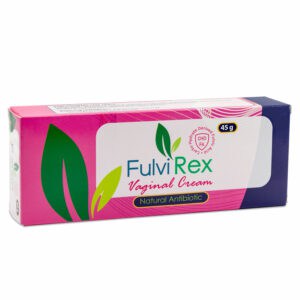 FulviAct FulviRex Vaginal Cream
R150.00 (incl. VAT)
FulviAct FulviRex Vaginal Cream
R150.00 (incl. VAT)
-
 Secuvie Reczema
R175.00 (incl. VAT)
Secuvie Reczema
R175.00 (incl. VAT)
-
 FUL.HEALTH Wellness Drink - Iron Brew
R299.00 (incl. VAT)
FUL.HEALTH Wellness Drink - Iron Brew
R299.00 (incl. VAT)
-
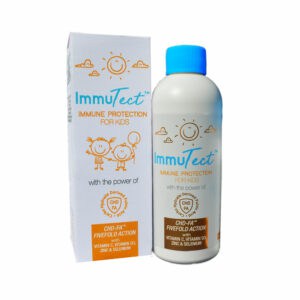 PharmaWell - ImmuTect Immune Protection for Kids
R152.95 (incl. VAT)
PharmaWell - ImmuTect Immune Protection for Kids
R152.95 (incl. VAT)
-
 PharmaWell - Plus CHD-FA (500)
R1,100.00 (incl. VAT)
PharmaWell - Plus CHD-FA (500)
R1,100.00 (incl. VAT)
-
 Secuvie Skin Toner
R155.00 (incl. VAT)
Secuvie Skin Toner
R155.00 (incl. VAT)
-
 Secuvie Repair Cleansing Gel
R155.00 (incl. VAT)
Secuvie Repair Cleansing Gel
R155.00 (incl. VAT)
-
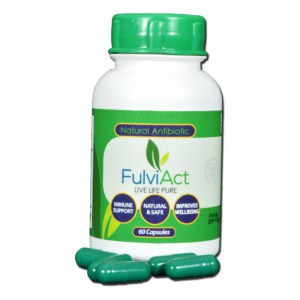 FulviAct Wellness Capsules (60)
R167.00 (incl. VAT)
FulviAct Wellness Capsules (60)
R167.00 (incl. VAT)
-
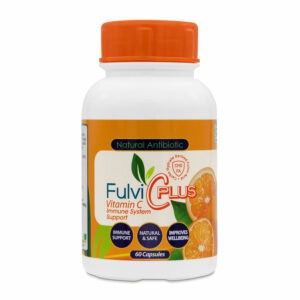 FulviAct Fulvi C Plus Capsules
R118.00 (incl. VAT)
FulviAct Fulvi C Plus Capsules
R118.00 (incl. VAT)